










Turn product vending into a personalized experience.
How Should Vending Machine Operators Choose a Second Product Category?
- When Is It Time to Add a Second Product Category?
- Your Existing Location Has Stable Traffic
- Your Existing Products Do Not Cover Every Need
- Your Current Operation Is Already Under Control
- How Do You Choose a Second Product Category?
- Look for Products That Complement Your Existing Business
- Your Second Product Category Should Match the Location
- Your Second Category Does Not Have to Be Another Traditional Vending Product
- Why Consider a Phone Case Printing Machine as a Second Category?
- Start Small Before Making a Large Investment
- Score Your Product Ideas Before Choosing One
- 4 Common Mistakes When Choosing a Second Category
- 1. Copying Someone Else's Best-Selling Product
- 2. Looking Only at Gross Margin
- 3. Buying Too Much Too Early
- 4. Ignoring Operating Costs
- How to Expand From One Category to Multiple Categories
- KEMORE: Building Self-Service Retail Around Different Consumer Needs
- Conclusion: Find the Second Category in Your Existing Customer Base
- What does your existing customer need next?
Once a vending machine starts generating steady sales, many operators face a new question:
Should you add another machine, or introduce a new product category at an existing location?
Both options can work. But they solve different problems.
Adding another machine usually means finding another location. Adding a second product category is about getting more value from a location you already have.
That is why the best second product is not necessarily the one that is trending right now.
A better question is:
What else do your existing customers need, and can you meet that need with another product or self-service solution?
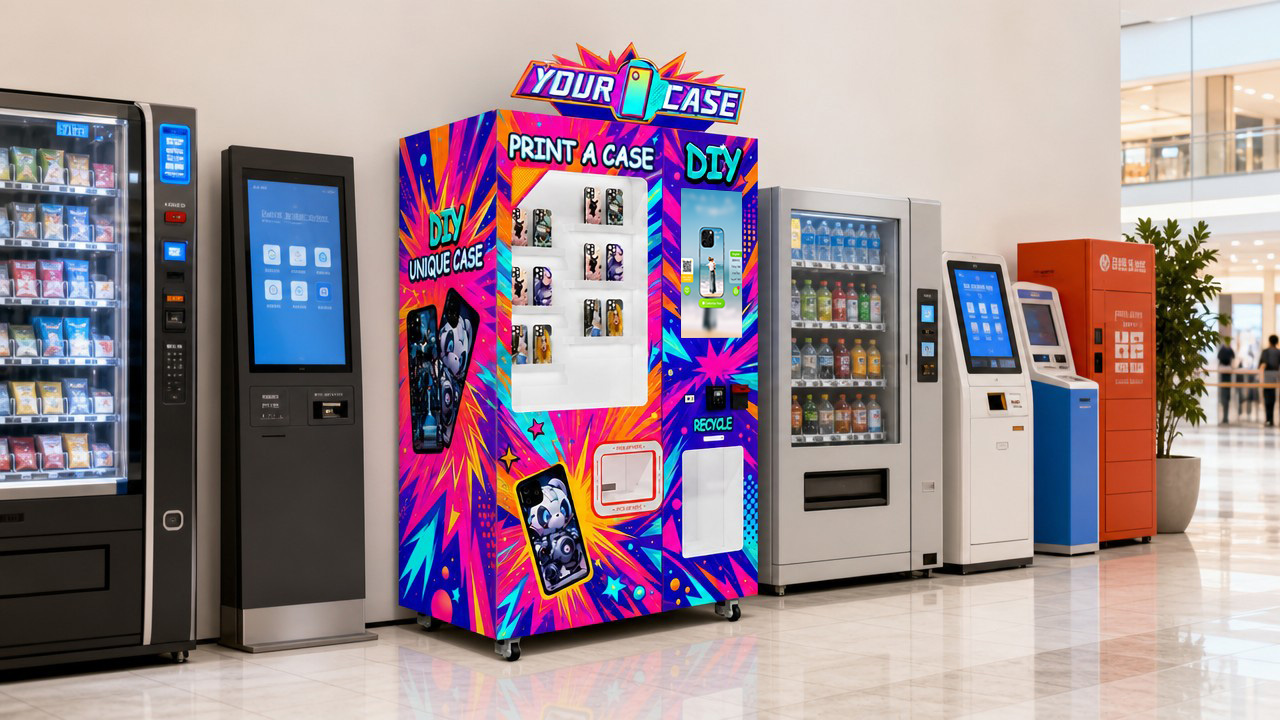
This is also an important part of how KEMORE approaches self-service retail equipment. A machine is only part of the business. The location, customer profile, and actual use case matter just as much.
When Is It Time to Add a Second Product Category?
If your first vending machine has only recently been installed, there is usually no need to expand immediately.
Start by understanding the basics.
Which hours generate the most orders? Who is buying? Which products move quickly? Which products sit in the machine for weeks?
The answers do not need to come from complicated analytics. Even simple sales records can reveal useful patterns when you track them consistently.
Your Existing Location Has Stable Traffic
Once you understand the customer flow at a location, it becomes easier to spot new opportunities.
For example, customers may regularly ask whether you sell phone accessories.
Or perhaps your location attracts a large number of young consumers, while the existing vending machine only offers standard products.
These are useful signals.
Your Existing Products Do Not Cover Every Need
The purpose of a second product category is not simply to put more products into the same space.
It should fill a gap.
For example:
Snacks and drinks meet immediate refreshment needs.
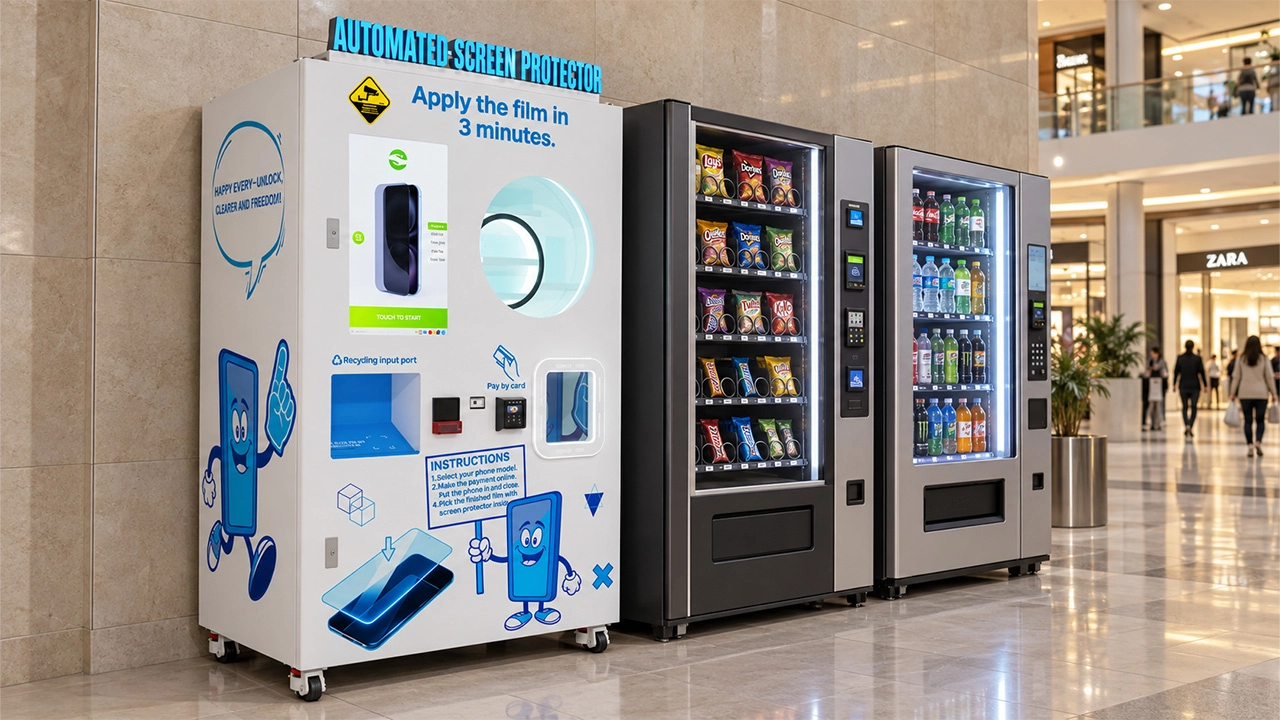
Phone screen protectors address an immediate service need.
Customized phone cases offer a personalized product experience.
Different products can serve different needs within the same location.
Your Current Operation Is Already Under Control
Adding a new category can also mean additional inventory, replenishment, maintenance, and customer service.
If the first machine still has frequent stockouts or maintenance issues, it may be better to improve the existing operation before expanding.
How Do You Choose a Second Product Category?
Do not start with the question:
“Which product has the highest profit margin?”
Look at the bigger picture first.
|
Factor |
Question to Ask |
|
Customer fit |
Will existing customers actually buy it? |
|
Location fit |
Does it make sense in this environment? |
|
Price |
Is the price acceptable to the target customer? |
|
Margin |
What remains after all operating costs? |
|
Operations |
Is it easy to restock, maintain, and support? |
Customer fit and location fit should come first.
A product can look attractive on paper and still perform poorly if it has little connection with the people visiting your location.
That is why product selection should start with the location, rather than the product itself.
Look for Products That Complement Your Existing Business
If you already operate a vending machine, you have an advantage that a new business does not:
You already have access to customers.
Instead of building an entirely new customer base, look for products that are related to the needs you already serve.
|
Existing Business |
Potential Second Category |
|
Snacks and beverages |
Phone accessories |
|
Phone cases |
Phone screen protectors |
|
Phone cases |
DIY customization |
|
Arcade products |
Badges and collectibles |
|
Tourist products |
Customized phone cases and souvenirs |
|
Campus vending |
Phone accessories and daily essentials |
Take a university area as an example.
The customer base is already relatively young. If a vending machine has established traffic there, products such as phone accessories, screen protectors, or customized phone cases may be worth testing because they target a similar audience.
That does not mean they will automatically sell.
It simply means the customer fit is strong enough to justify a test.
Your Second Product Category Should Match the Location
One of the most important lessons in vending machine operations is that the same product can perform very differently in different locations.
A product that works in a shopping mall may not work in an office building.
Start with the customer and the reason they are visiting the location.
|
Location |
Typical Customer Behavior |
Categories to Consider |
|
Shopping mall |
Shopping, leisure, younger consumers |
Phone accessories, DIY products, collectibles |
|
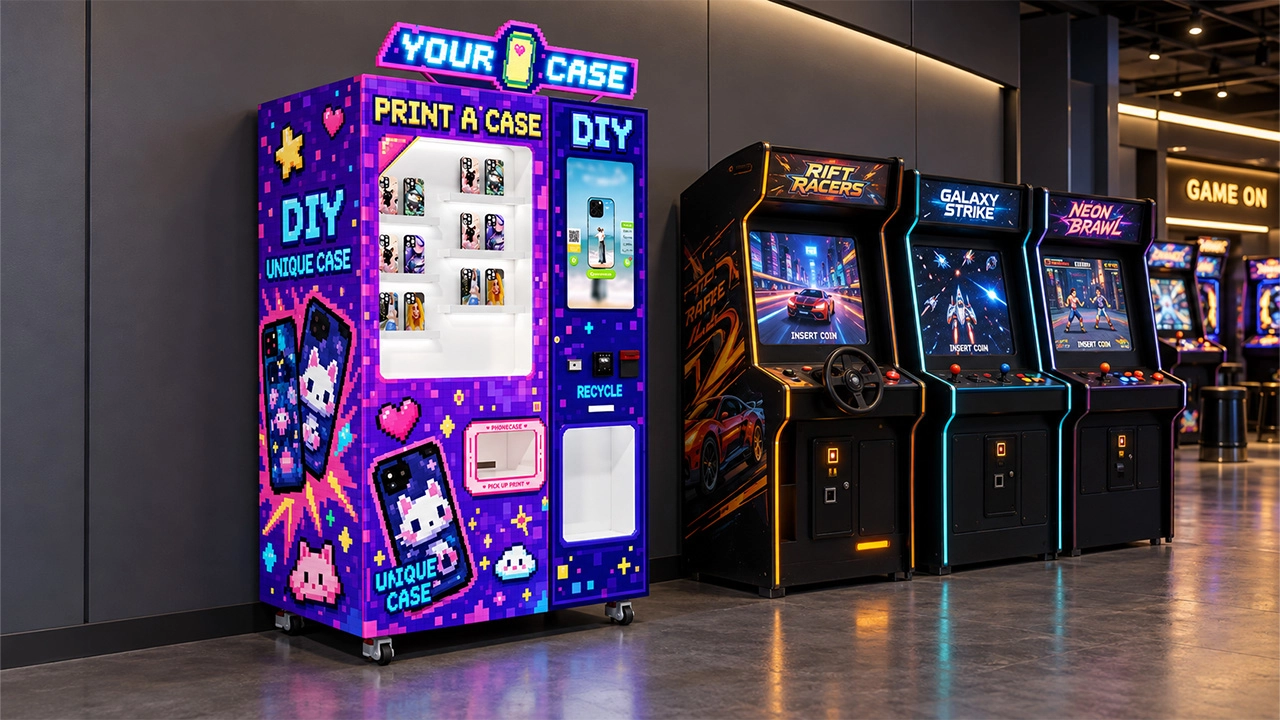
Arcade |
Entertainment and longer dwell time |
Badges, collectibles, customized products |
|
Tourist attraction |
Impulse purchases and souvenirs |
Phone cases, souvenirs |
|
University area |
Young and highly personalized consumption |
Accessories, screen protectors, DIY cases |
|
Office building |
Convenience and frequent purchases |
Office supplies, personal care |
|
Gym |
Fitness-focused consumption |
Fitness accessories, beverages |
The key is simple:
Look at the customer first, then choose the product.
Do not choose a product first and then try to find a location for it.
Your Second Category Does Not Have to Be Another Traditional Vending Product
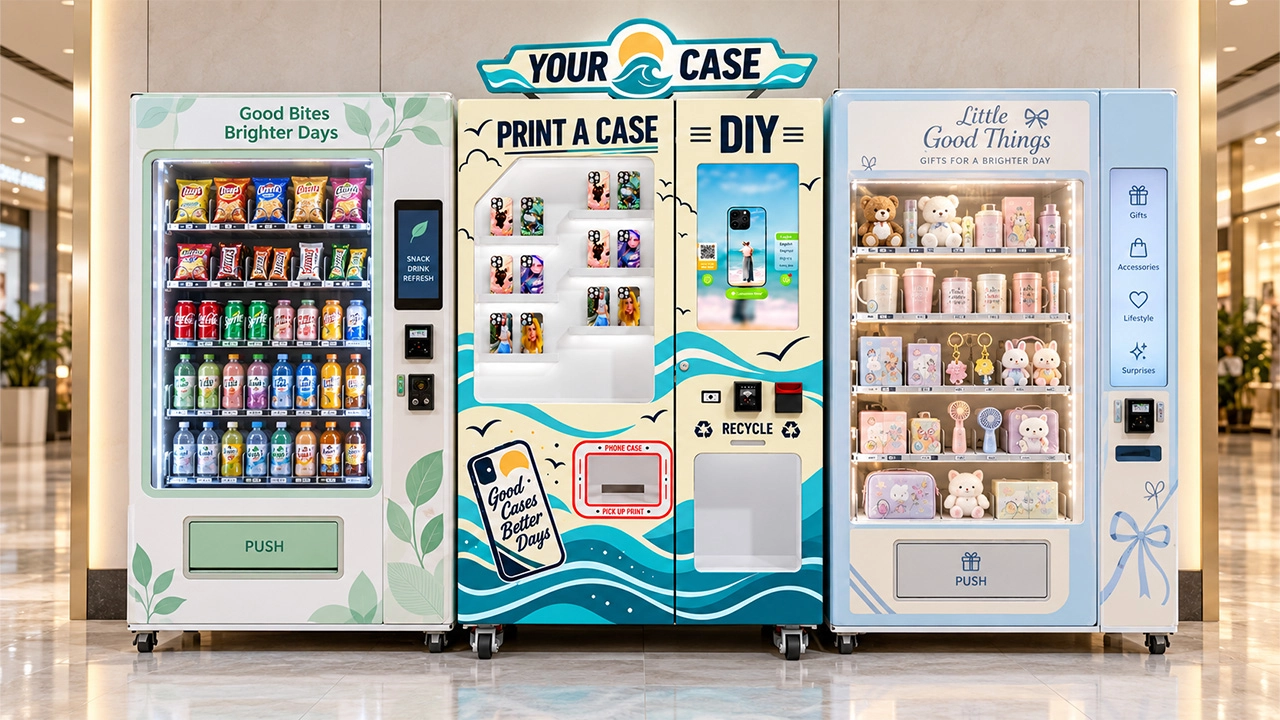
If your current vending machine mainly sells snacks and beverages, your next category does not necessarily need to be another type of food.
Self-service retail is expanding into more experience-driven and personalized products.
Examples include:
-
Phone accessories
-
Phone screen protectors
-
Customized phone cases
-
Custom badges
-
Collectibles
-
Personalized souvenirs
The difference is that customers may not be buying only a standardized product.
Some products solve an immediate need. Others create a personalized experience.
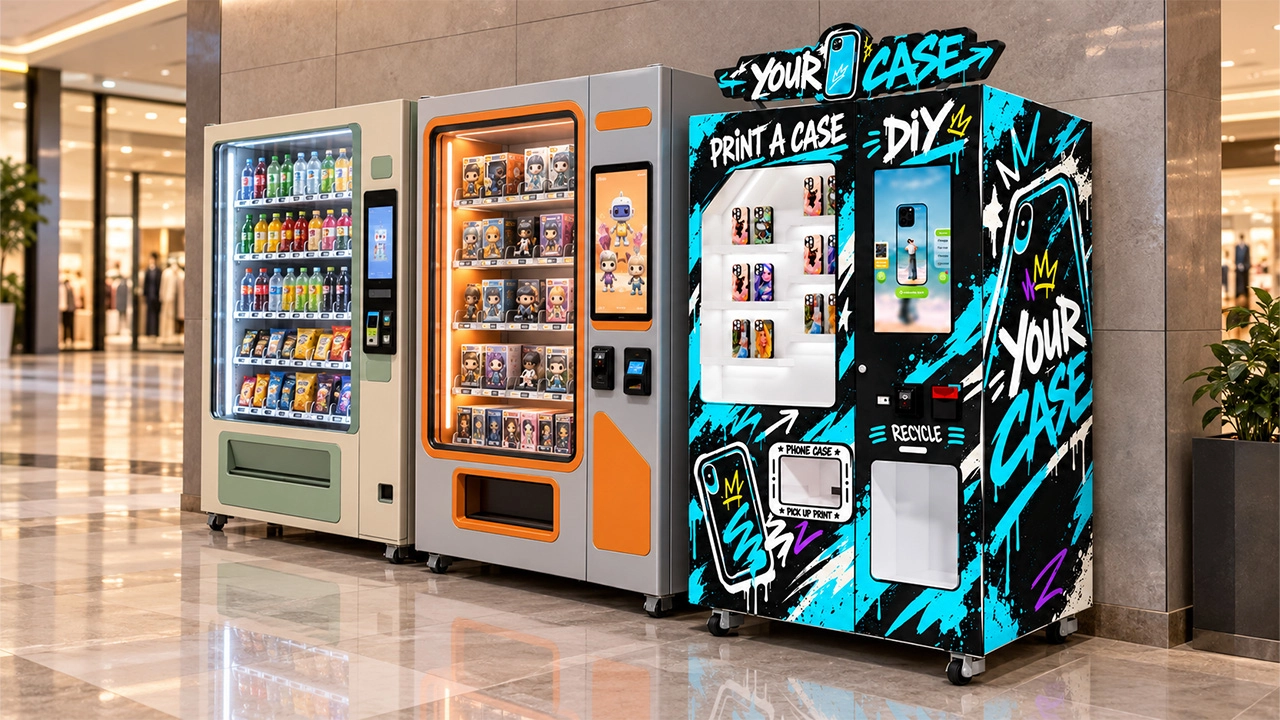
That is one reason non-traditional self-service machines are appearing in places such as shopping malls, arcades, tourist attractions, and university areas.
Why Consider a Phone Case Printing Machine as a Second Category?
For operators looking beyond traditional vending products, custom phone case printing can be an interesting option for the right location.
KEXIAOZHAN's phone case self-printing machines are designed around a different customer experience from conventional product vending.
A traditional phone case purchase might look like this:
Choose a design → Pay → Take the product
A self-service printing experience can be:
Choose an image → Customize the design → Place the order → Print the case
The customer becomes part of the creation process.
Instead of buying a standard product, they receive a phone case with a design they selected or customized themselves.
This makes the concept particularly relevant to locations with younger consumers and enough dwell time for customers to interact with the machine.
Potential locations include:
Shopping malls, arcades, tourist attractions, university areas, and lifestyle retail spaces.
For an operator who already has access to these locations, a phone case printing machine can be tested as a second product category.
The value is not simply another SKU.
It can turn:
Product vending
into:
Product sales + personalization + self-service experience.
Of course, location still matters.
A young customer base does not automatically guarantee demand for customized phone cases. The real answer comes from testing actual customer behavior.
Start Small Before Making a Large Investment
When you are unsure about a new category, testing is usually more useful than making a large purchase immediately.
A simple approach is:
Choose one established location
↓
Introduce one new category
↓
Track sales and inventory
↓
Adjust products, pricing, and presentation
↓
Decide whether to expand
During the test, track a few practical numbers.
|
Metric |
What It Tells You |
|
Daily orders |
Whether demand is consistent |
|
Average order value |
What customers are willing to spend |
|
SKU sales |
Which products actually attract buyers |
|
Inventory turnover |
Whether stock levels are appropriate |
|
Stockouts |
Whether demand may be underestimated |
|
Service issues |
How difficult the category is to operate |
Do not look at sales alone.
If a product repeatedly sells out, its recorded sales may underestimate the actual demand.
Inventory availability can limit sales, so it is useful to look at sales, stock levels, and stockouts together.
Score Your Product Ideas Before Choosing One
If you are considering several categories, a simple scoring model can make the decision more objective.
|
Factor |
Weight |
|
Customer fit |
30% |
|
Location fit |
25% |
|
Profit potential |
20% |
|
Operational difficulty |
15% |
|
Supply stability |
10% |
Give each category a score from 1 to 5.
The goal is not to produce a perfect mathematical answer.
It is simply a way to compare different ideas using the same criteria.
A product that is popular in the market may score only 2 out of 5 at your location.
Another less fashionable product could score 4.
The second one may be the better business opportunity.
4 Common Mistakes When Choosing a Second Category
1. Copying Someone Else's Best-Selling Product
A product that works in a shopping mall may not work in an office building.
Products can be copied. Consumer behavior cannot.
2. Looking Only at Gross Margin
A high-margin product is not automatically a high-return product.
If it sells slowly, it can tie up inventory, space, and capital.
3. Buying Too Much Too Early
The first goal of a new category is to validate demand.
Test first.
Scale later.
4. Ignoring Operating Costs
When evaluating a new category, include more than the purchase price.
Consider:
Product cost + logistics + location fees + payment fees + replenishment + maintenance + after-sales service + inventory
Only after considering these costs can you get a clearer picture of the real economics.
How to Expand From One Category to Multiple Categories
If the second category performs well, resist the temptation to immediately roll it out everywhere.
Instead, look for several locations with similar customer profiles.
For example:
Test in Shopping Mall A
↓
Test in Similar Locations B and C
↓
Compare the Results
↓
Scale the Equipment
This gives you more than sales data from a single location.
You begin to understand a repeatable combination of:
Location + Customer + Product + Equipment + Operations
That combination is much more valuable than simply finding one “hot” product.
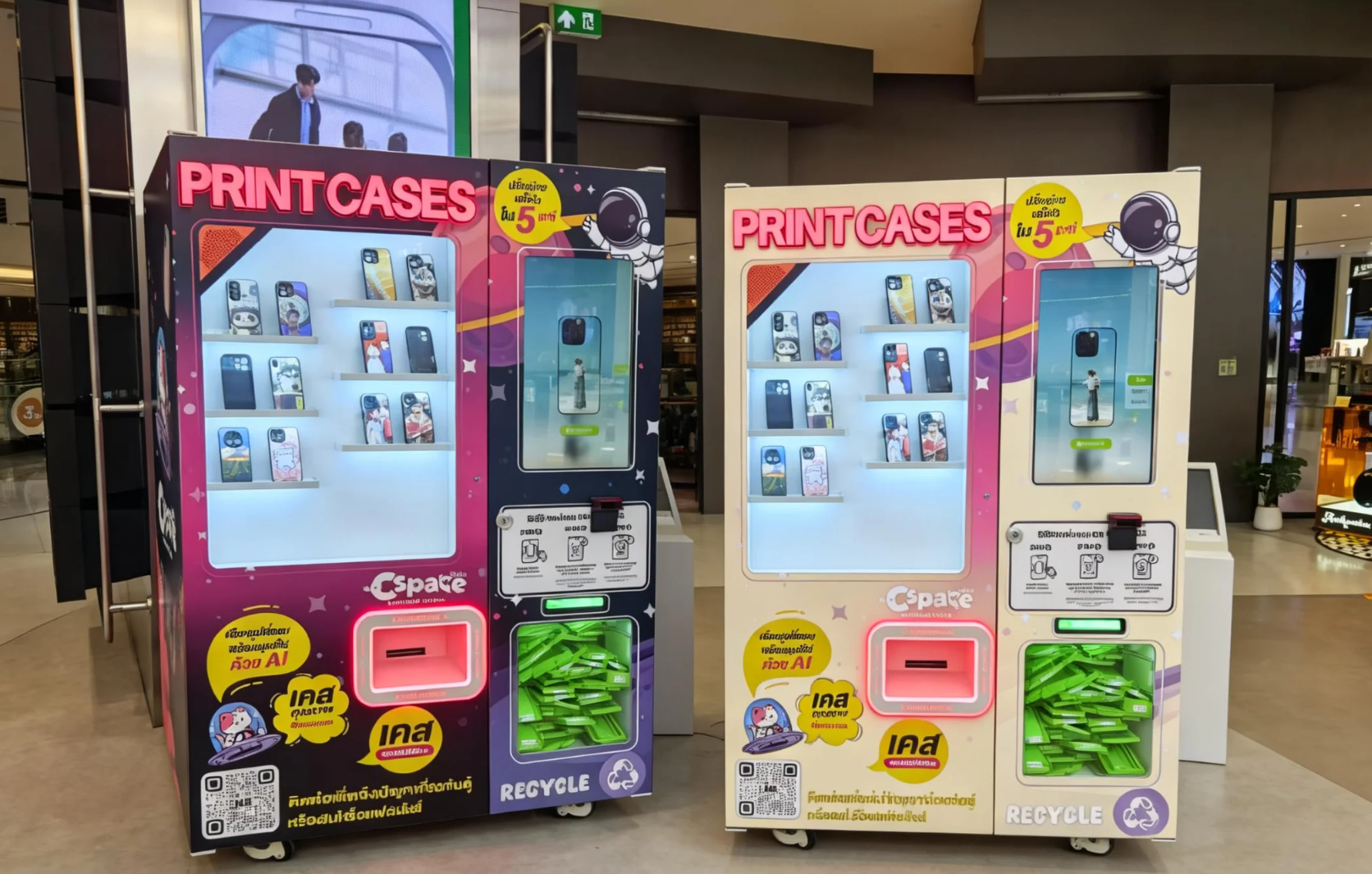
KEMORE: Building Self-Service Retail Around Different Consumer Needs
For operators looking to move beyond traditional vending categories, KEMORE provides a range of self-service equipment designed for different product and service scenarios.
Its product portfolio includes:
-
Phone Case Self-Printing Machines
-
DIY Phone Case Printing Machines
-
Phone Screen Protector Vending Machines
-
Phone Case Vending Machines
-
Badge Printing Machines
-
Desktop Multifunction UV Printers
These machines serve different use cases rather than following a one-size-fits-all model.
For example, a desktop multifunction UV printer can be used for personalized products such as phone cases, mirrors, fridge magnets, puzzles, commemorative coins, and other small items, depending on the applicable fixtures and production requirements.
This gives operators another way to think about product expansion.
Instead of asking:
“What other vending machine should I buy?”
Ask:
“What other customer need can this location serve?”
That shift can lead to more practical product decisions.
Conclusion: Find the Second Category in Your Existing Customer Base
Adding a second product category is a natural step once a vending operation becomes stable.
But you do not need to start by searching for the “most profitable product.”
Start with your own location.
Who is buying?
When are they buying?
What else might they need?
What needs are not being served by your current products?
Can a new product or self-service machine use the customer traffic you already have?
If the answers make sense, test the idea.
For operators with established locations, solutions such as phone case self-printing machines, DIY phone case printing machines, phone screen protector vending machines, phone case vending machines, badge printing machines, and desktop multifunction UV printers can provide different ways to expand beyond traditional vending.
The right equipment depends on the location and the customer.
In the end, choosing a second product category is less about chasing the latest trend and more about understanding one simple question:
What does your existing customer need next?
Recommended for you
What Is the Difference Between a Phone Case Printing Vending Machine and a Traditional Vending Machine?
Add New Products or New Vending Machines? A Practical Guide
What Equipment Is Suitable for the Unmanned Retail Market? From Vending to Customization
Why Is Unattended Retail Shifting from Selling Products to Selling Experiences?
Product Categories
You May Also Like
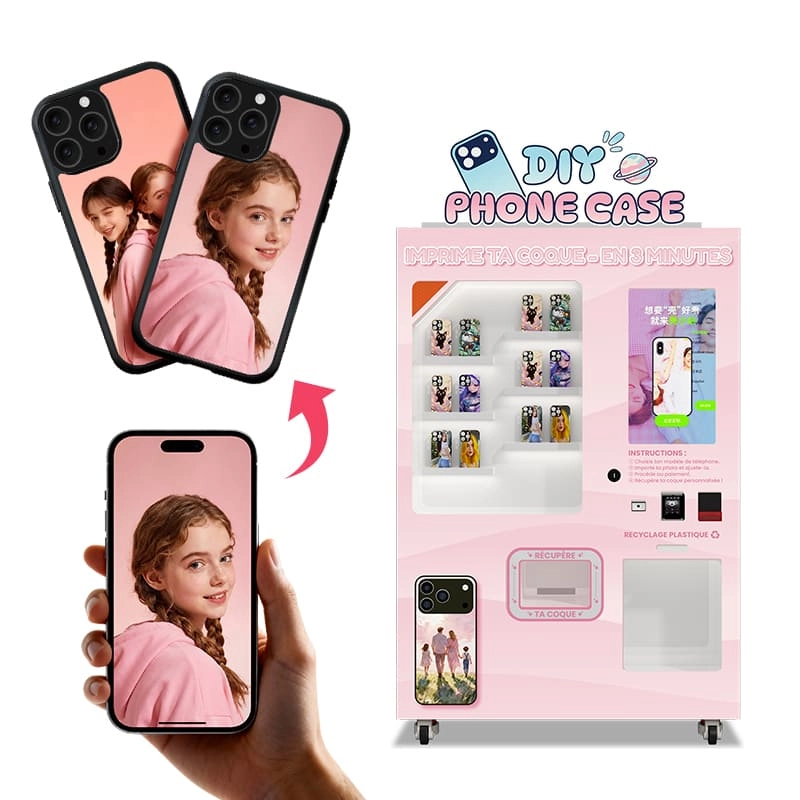
- Capitalize on the high-margin smart retail market with KeMore’s DIY phone case printing vending machine. This unmanned commercial UV printer kiosk provides an interactive self-service personalization experience, delivering custom protective covers in just 3 minutes. Equipped with an intelligent cloud backend for remote inventory monitoring and global payment integration, it’s a turnkey automated business solution for high-traffic malls, campuses, and transit hubs. Compatible with multi-model TPU+PC blanks, this on-demand printing station eliminates stock risks while maximizing ROI. Contact us for wholesale pricing and launch your passive income retail project today!
- •Smart APP Remote Management
- •3-Minute Fast Phone Case Printing
- •Self-Service Design & Payment
- •Automatic Printing and Dispensing
- •Multiple Phone Model Compatibility
- •24/7 After-Sales Support
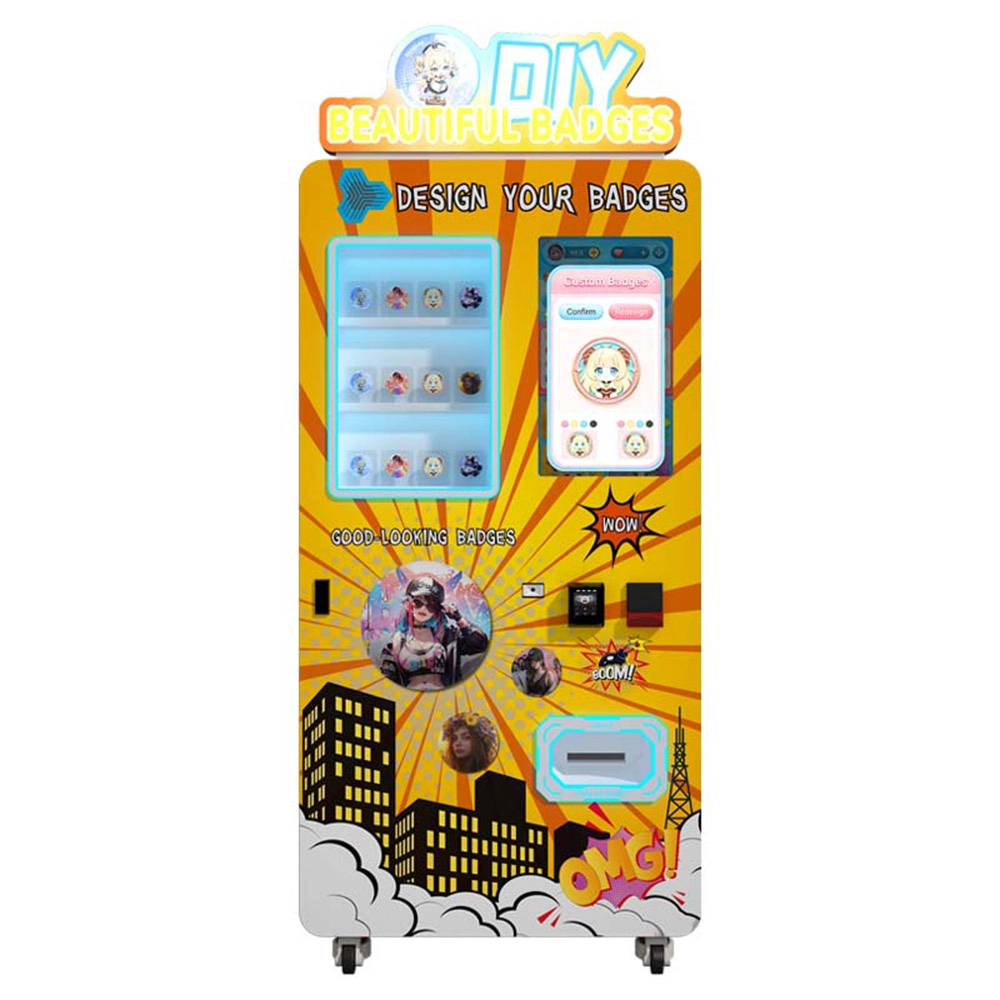
Maximize your ROI in the smart retail market with this innovative custom badge vending machine. Featuring an interactive 27-inch touchscreen, this unmanned DIY badge printing kiosk supports multi-country payments (QR/card) for global deployment in malls and campuses. Boost sales with self-service custom pinback badges and leverage the intelligent cloud backend for remote inventory management and real-time sales tracking. As a leading manufacturer, we provide complete vending machine appearance and UI interface customization services to perfectly fit your branding. Launch your automated, high-margin custom souvenir business with KeMore !
Supplier’s Customization Ability
⦁ Minor customization
⦁ Drawing-based customization
⦁ Sample-based customization
⦁ Full customization
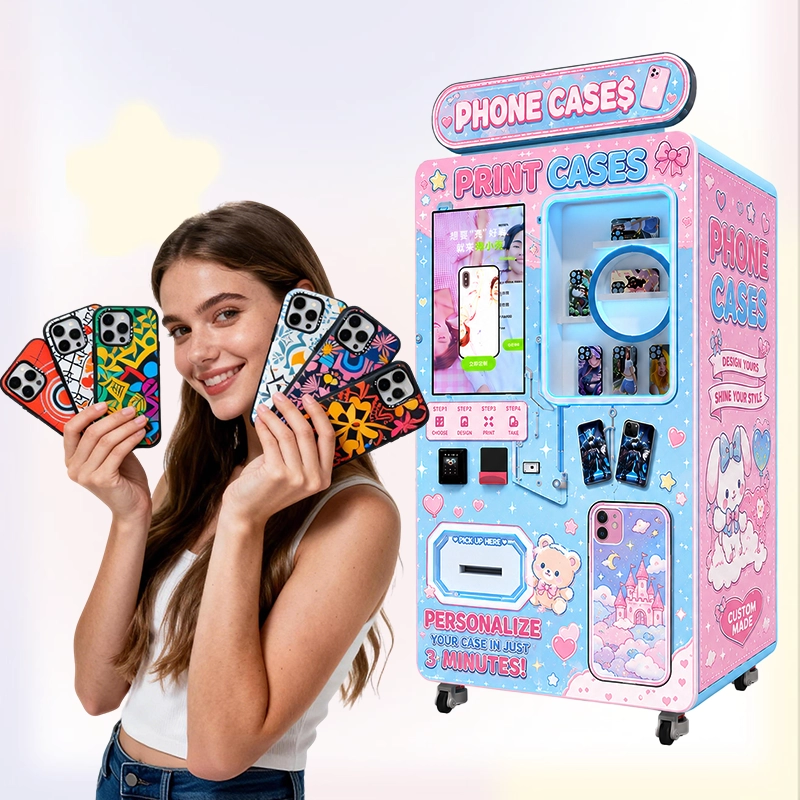
Revolutionize personalized retail using the KeMore Business UV Phone Case Vending Printer. This cutting-edge, self-service 3D cell phone case printing machine empowers customers to upload images and print custom covers in just 3 minutes. Designed for high-traffic environments like campuses and malls, it features a robust metal frame, an interactive 27-inch touchscreen, and an auto-clean function. Powered by an intelligent cloud backend with real-time remote monitoring and flexible multi-payment integration, this turnkey automated business solution maximizes operational efficiency with zero labor requirements.
Supplier’s Customization Ability
⦁ Minor customization
⦁ Drawing-based customization
⦁ Sample-based customization
⦁ Full customization
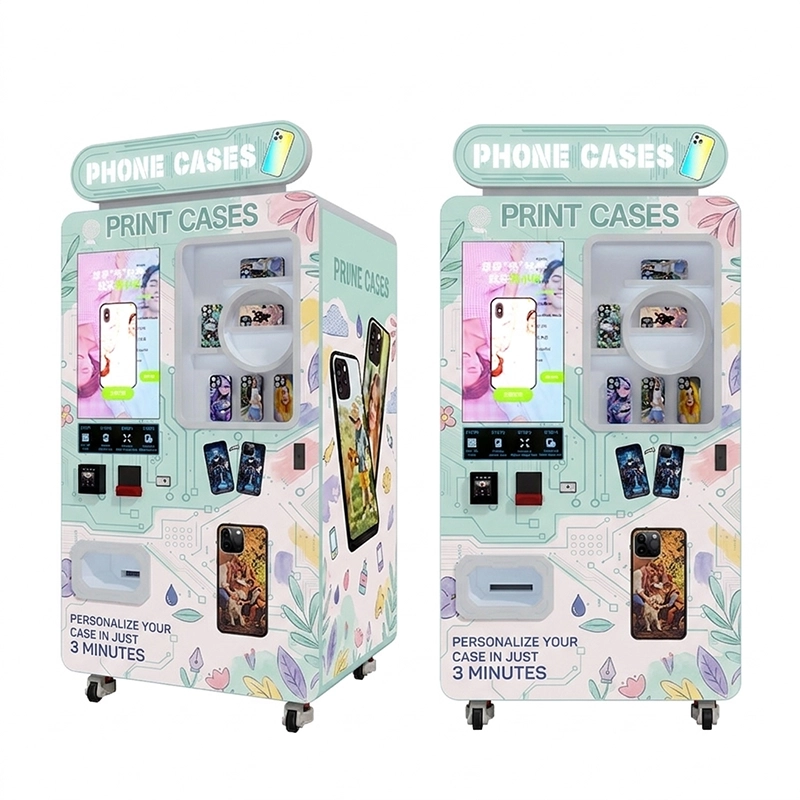
Revolutionize personalized retail using the KeMore Business UV Phone Case Vending Printer. This cutting-edge, self-service 3D cell phone case printing machine empowers customers to upload images and print custom covers in just 3 minutes. Designed for high-traffic environments like campuses and malls, it features a robust metal frame, an interactive 27-inch touchscreen, and an auto-clean function. Powered by an intelligent cloud backend with real-time remote monitoring and flexible multi-payment integration, this turnkey automated business solution maximizes operational efficiency with zero labor requirements.
Supplier’s Customization Ability
⦁ Minor customization
⦁ Drawing-based customization
⦁ Sample-based customization
⦁ Full customization
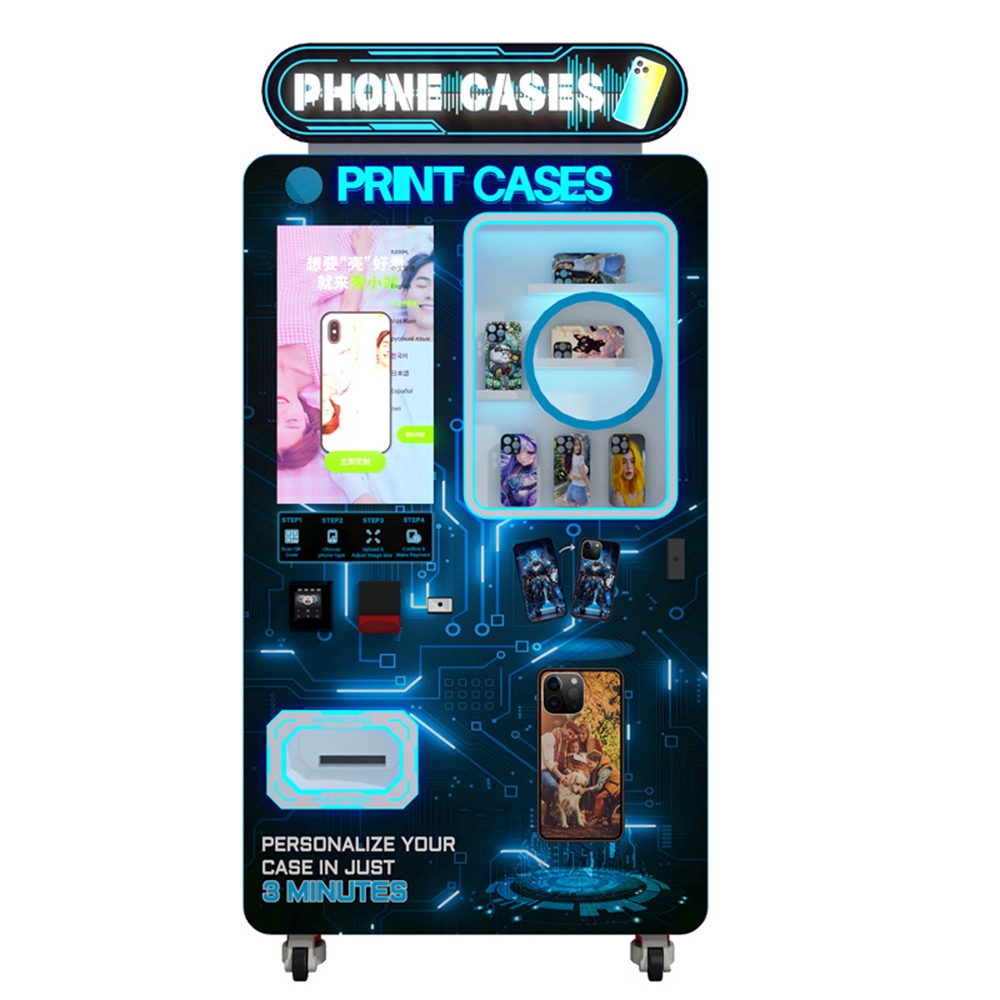
Revolutionize personalized retail using the KeMore Business UV Phone Case Vending Printer. This cutting-edge, self-service 3D cell phone case printing machine empowers customers to upload images and print custom covers in just 3 minutes. Designed for high-traffic environments like campuses and malls, it features a robust metal frame, an interactive 27-inch touchscreen, and an auto-clean function. Powered by an intelligent cloud backend with real-time remote monitoring and flexible multi-payment integration, this turnkey automated business solution maximizes operational efficiency with zero labor requirements.
Supplier’s Customization Ability
⦁ Minor customization
⦁ Drawing-based customization
⦁ Sample-based customization
⦁ Full customization
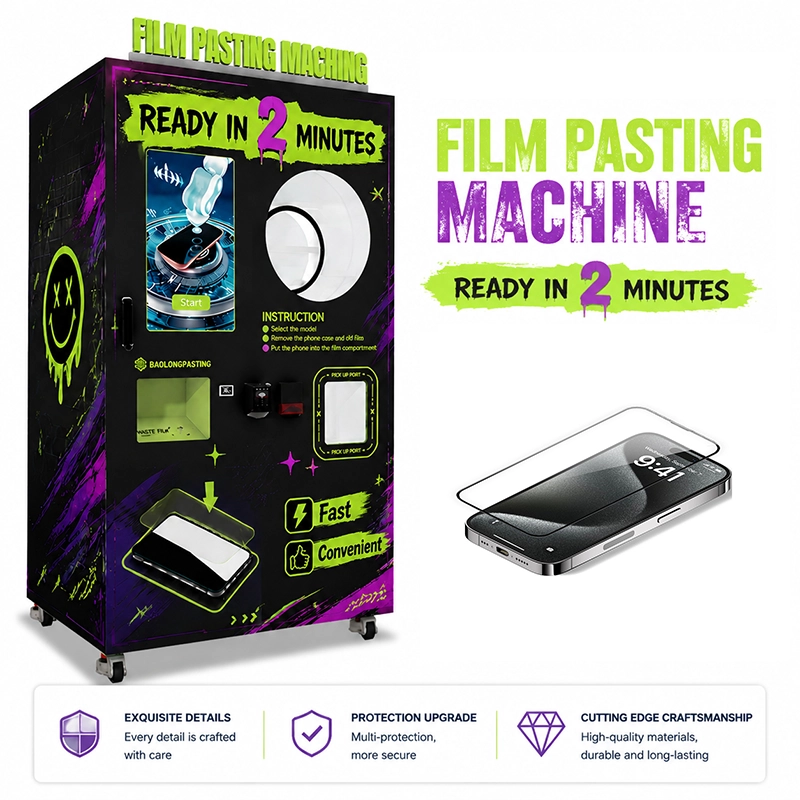
Maximize your retail revenue with the KeMore Automatic Screen Protector Vending Machine. This innovative smart retail kiosk delivers a seamless, unmanned cell phone service by combining precision on-demand film cutting with automated screen protector application and cleaning. Featuring an interactive 27-inch touchscreen, the machine perfectly aligns and applies protectors for various smartphone models in minutes. Equipped with global contactless payment integration and an intelligent cloud backend, operators can track remote inventory monitoring and real-time sales data effortlessly. It is a high-margin, turnkey automated business solution perfect for high-traffic malls, airports, and campuses
Supplier’s Customization Ability
⦁ Minor customization
⦁ Drawing-based customization
⦁ Sample-based customization
⦁ Full customization
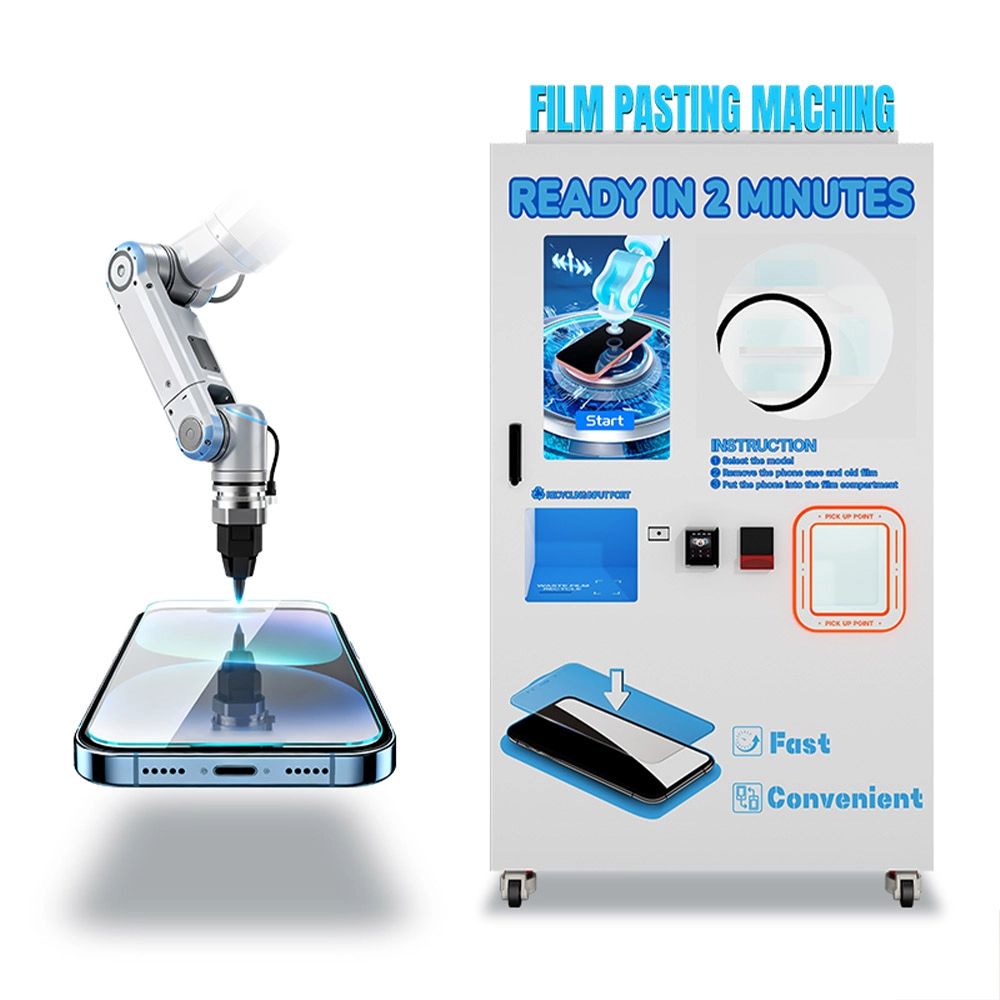
Maximize your retail revenue with the KeMore Automatic Screen Protector Vending Machine. This innovative smart retail kiosk delivers a seamless, unmanned cell phone service by combining precision on-demand film cutting with automated screen protector application and cleaning. Featuring an interactive 27-inch touchscreen, the machine perfectly aligns and applies protectors for various smartphone models in minutes. Equipped with global contactless payment integration and an intelligent cloud backend, operators can track remote inventory monitoring and real-time sales data effortlessly. It is a high-margin, turnkey automated business solution perfect for high-traffic malls, airports, and campuses
Supplier’s Customization Ability
⦁ Minor customization
⦁ Drawing-based customization
⦁ Sample-based customization
⦁ Full customization
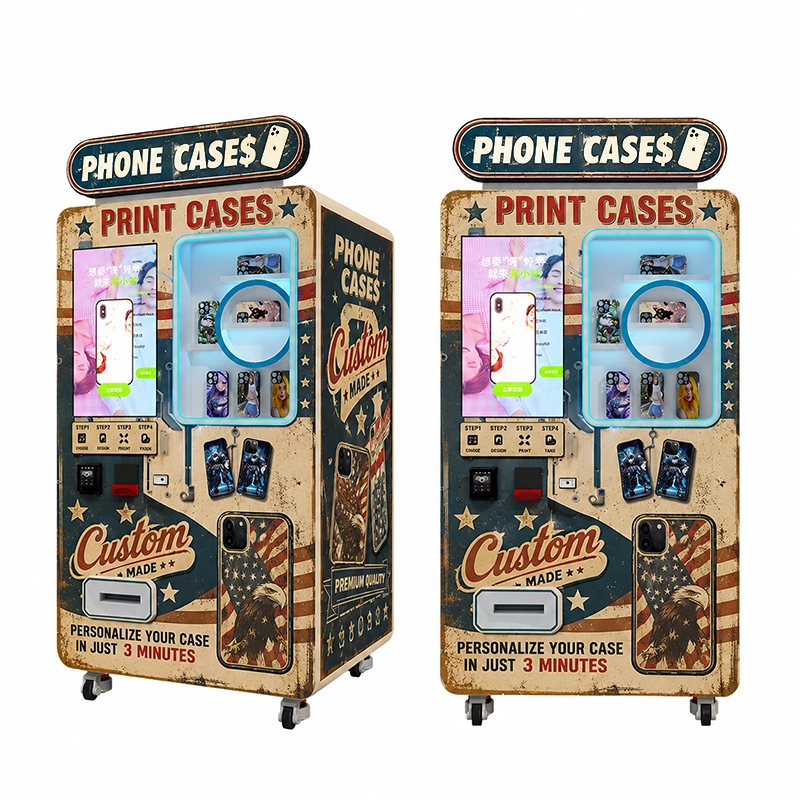
Revolutionize personalized retail using the KeMore Business UV Phone Case Vending Printer. This cutting-edge, self-service 3D cell phone case printing machine empowers customers to upload images and print custom covers in just 3 minutes. Designed for high-traffic environments like campuses and malls, it features a robust metal frame, an interactive 27-inch touchscreen, and an auto-clean function. Powered by an intelligent cloud backend with real-time remote monitoring and flexible multi-payment integration, this turnkey automated business solution maximizes operational efficiency with zero labor requirements.
Supplier’s Customization Ability
⦁ Minor customization
⦁ Drawing-based customization
⦁ Sample-based customization
⦁ Full customization
Let's Talk Business.
Get in Touch with us
If you have any comments or good suggestions, please leave us a message, later our professional staff will contact you as soon as possible.

Guangzhou Kexiaozhan Technology Co., Ltd.
we respond within a few hours
Monday–Friday, 9AM–6PM
+86 189 2573 7135
 No. 28 Xinhuan Village Road, Xinshuikeng Village, Dalong Street, Panyu District, Guangzhou City
Quick Links
Facebook
Instagram
LinkedIn
YouTube
Tik Tok