












What Makes a Self-Service Phone Case Kiosk Different From a Traditional Accessory Store?
Quick Answer
A self-service phone case kiosk combines product selection, customization, payment, and dispensing in a compact retail terminal, while a traditional accessory store depends on staffed selling space and broader inventory display. KeMore supports this model through integrated hardware, software, manufacturing, and deployment experience. Buyers should compare site traffic, device compatibility, customization workflow, replenishment needs, and total operating cost; final solutions depend on testing and site conditions.
How KeMore Supports Projects
KeMore, operated by Guangzhou Kexiaozhan Technology Co., Ltd., develops phone case printing vending machines, custom phone case vending machines, screen protector application machines, UV printing equipment, and related self-service retail systems. Its support can extend from concept design through commercial deployment, combining hardware development, software integration, machine manufacturing, customization, quality control, and after-sales coordination.
Project discussions should confirm supported phone models, kiosk dimensions, power and network requirements, payment configuration, printing or application workflow, enclosure branding, and intended operating location. MOQ, lead time, testing scope, and quotation must be confirmed for each project because configuration and deployment conditions affect the commercial proposal.
Discuss Your Self-Service Kiosk Project
Share your target market, site type, expected customer volume, supported phone models, customization method, preferred payment options, and branding or dimensional requirements so suitable configurations and sample or testing steps can be discussed. For project-specific guidance, visit www.kemorevending.com or email kxz@kemore.com.
Frequently Asked Questions
How does kiosk inventory differ from traditional accessory store stock management?
A kiosk usually carries a controlled range of blank cases, consumables, and supported device profiles rather than the extensive finished-goods assortment found in a store. That changes the inventory problem from broad shelf coverage to accurate demand planning. Operators should map local handset popularity, monitor failed or abandoned transactions, and define reorder points for cases, inks, films, or other consumables. Compatibility data is especially important: an attractive design cannot compensate for a case that does not fit the customer’s exact model. Before deployment, test how stock counts are recorded, how low inventory is reported, and how replenishment staff can access the machine without disrupting the venue.
Can a kiosk personalize cases without maintaining a full retail workforce?
Automation can reduce the need for continuous sales-floor staffing, but it does not remove operational responsibility. A customer still needs a clear interface, accurate device selection, usable artwork controls, and instructions for collection. The operator must also schedule replenishment, inspect output quality, resolve payment or print exceptions, and provide a support route for refunds or unsuitable orders. The practical distinction is staffing pattern: a store concentrates labor around opening hours and assisted selling, whereas an automated terminal shifts labor toward remote monitoring and scheduled field service. Validate the complete customer journey with first-time users before treating reduced staffing as a financial assumption.
What site conditions determine successful phone case kiosk placement?
Placement depends on more than footfall. The location should provide suitable power, reliable network access when required by the software or payment setup, sufficient customer standing space, visibility, lighting, and protection from interference or accidental impact. Audience-device fit matters as well: a busy venue with many visitors may still perform poorly if its customers use models outside the supported range or have little time for customization. Review landlord permissions, delivery access, cleaning responsibilities, security arrangements, operating hours, and revenue-sharing terms. A short pilot or observation period can reveal queue behavior and conversion barriers that a simple visitor-count estimate misses.
How should beginners compare kiosk economics with store operating costs?
The comparison should use total cost of ownership rather than purchase price alone. Include equipment and installation, site rent or revenue share, payment fees, consumables, connectivity, software-related charges if applicable, maintenance visits, downtime, refunds, packaging, replenishment labor, and depreciation. A store may spread these costs across a large assortment and assisted services; a terminal may require fewer daily labor hours but depend more heavily on location productivity and equipment uptime. Build scenarios using conservative transaction volume, average selling price, gross margin after consumables, and replacement or repair assumptions. Separate one-time capital expenditure from recurring operating costs, then test sensitivity to seasonality and device-model changes.
Which customer experience risks are unique to automated case sales?
Automated sales create specific failure points because the customer makes decisions without a salesperson correcting errors in real time. Common risks include selecting the wrong handset model, misunderstanding a preview, uploading low-resolution artwork, waiting longer than expected, or receiving an output that differs from the screen image. Preventive design should use prominent compatibility confirmation, readable production status, simple artwork guidance, and a clear refund or support process. Operators should record error categories, not just sales totals. This data helps distinguish a machine fault from a content, interface, payment, or customer-selection problem and supports targeted improvements.
How are maintenance payments and replenishment managed after installation?
These functions should be defined in the operating plan before launch. Maintenance normally covers routine cleaning, consumable replacement, inspection of printing or application components, software or connectivity checks, and escalation for hardware faults. Replenishment requires a stock list, access procedure, responsible person, and service frequency tied to actual sales rather than assumptions. Payment handling should be confirmed for the target market, including accepted methods, settlement ownership, refund authority, transaction records, and connectivity dependencies. Ask the supplier which events can be monitored remotely and which require an on-site visit, then document response responsibilities between the venue, operator, payment provider, and equipment manufacturer.
You May Also Like
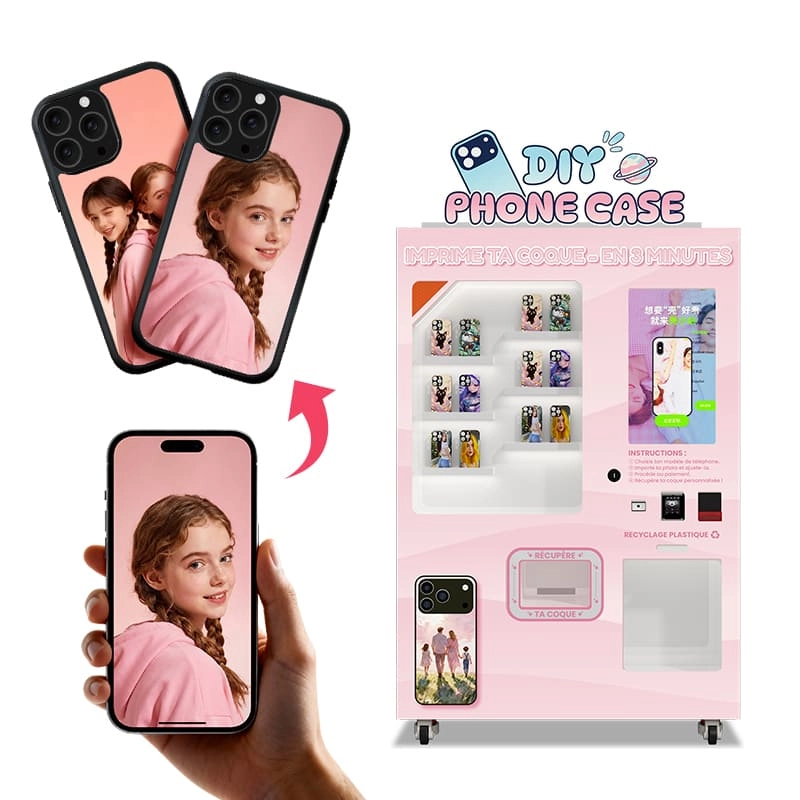
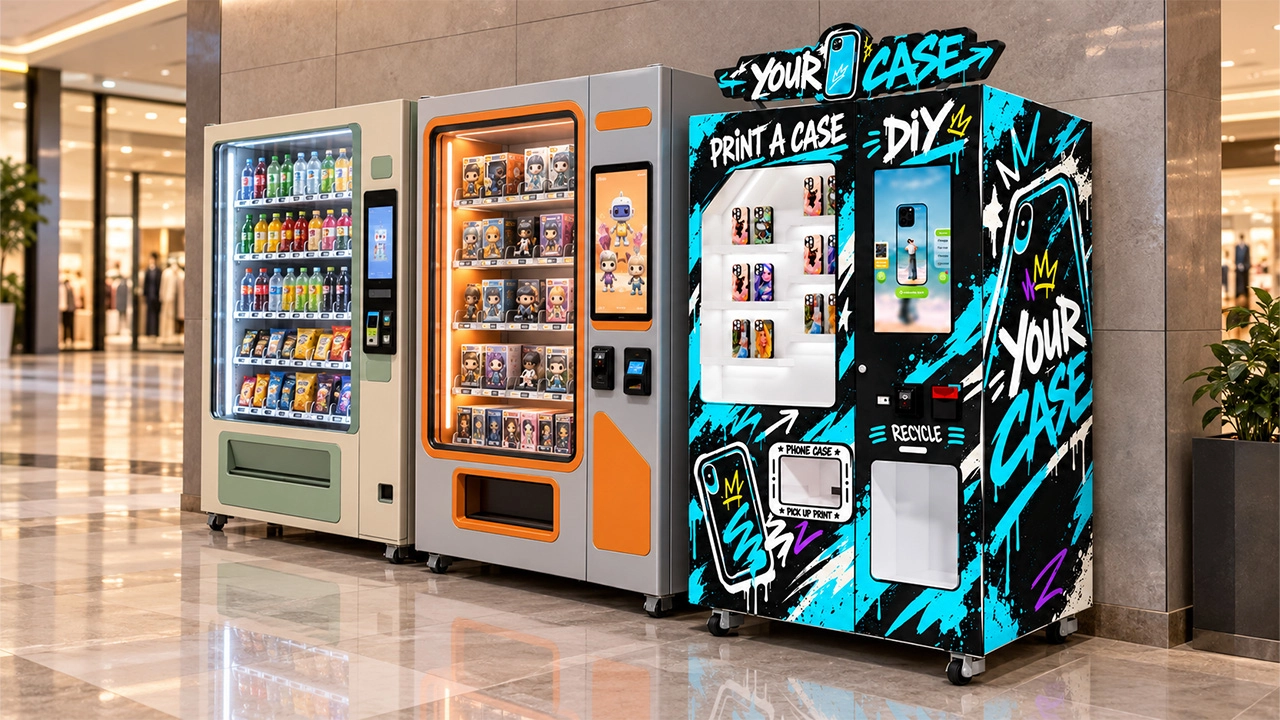
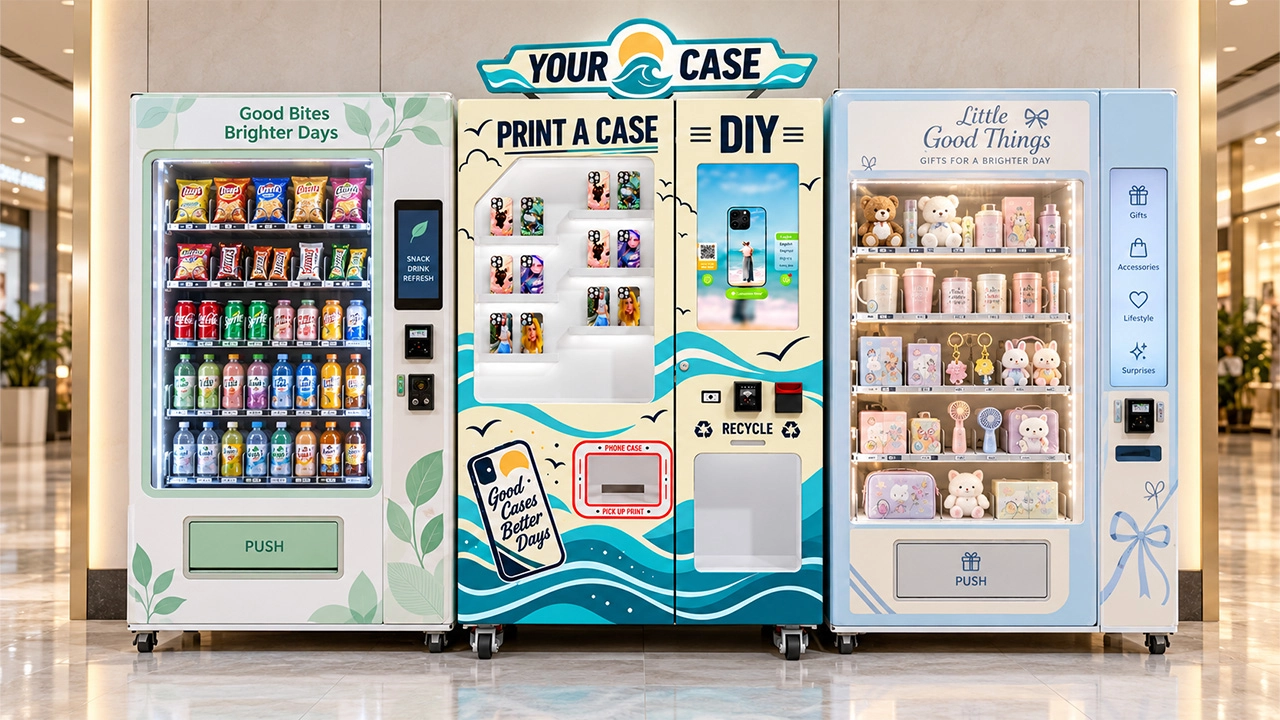
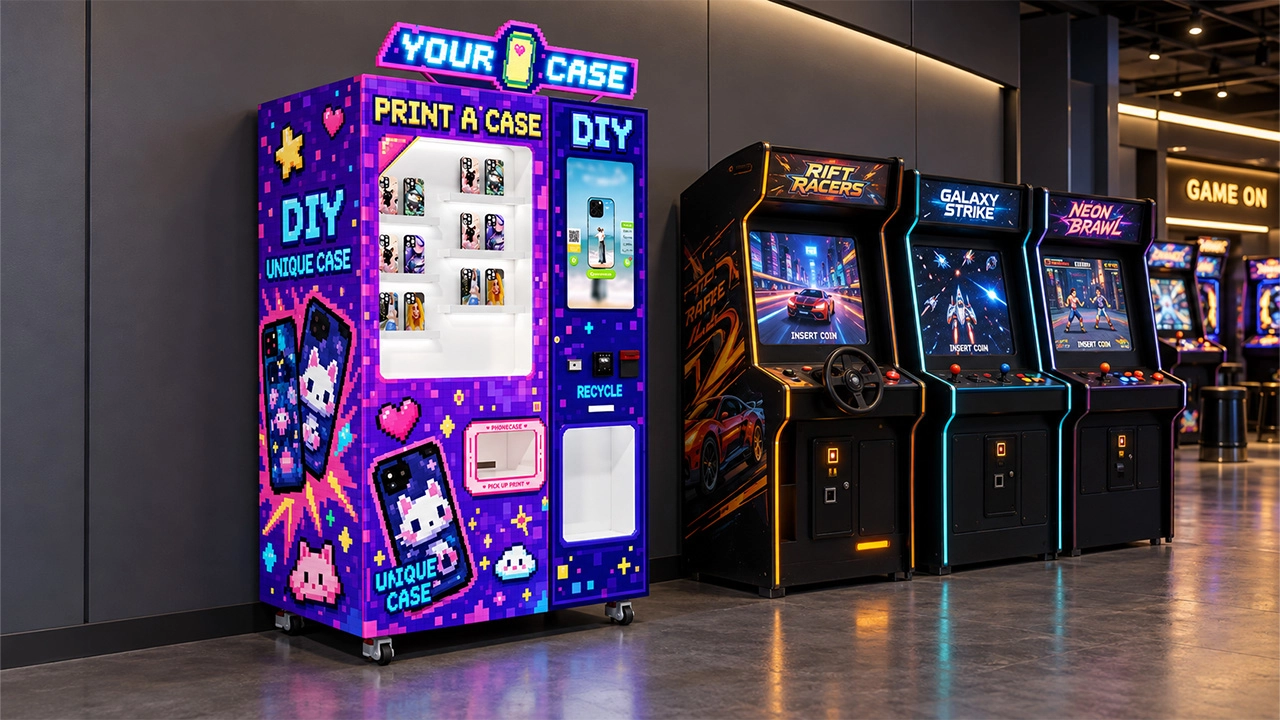
- Capitalize on the high-margin smart retail market with KeMore’s DIY phone case printing vending machine. This unmanned commercial UV printer kiosk provides an interactive self-service personalization experience, delivering custom protective covers in just 3 minutes. Equipped with an intelligent cloud backend for remote inventory monitoring and global payment integration, it’s a turnkey automated business solution for high-traffic malls, campuses, and transit hubs. Compatible with multi-model TPU+PC blanks, this on-demand printing station eliminates stock risks while maximizing ROI. Contact us for wholesale pricing and launch your passive income retail project today!
- •Smart APP Remote Management
- •3-Minute Fast Phone Case Printing
- •Self-Service Design & Payment
- •Automatic Printing and Dispensing
- •Multiple Phone Model Compatibility
- •24/7 After-Sales Support
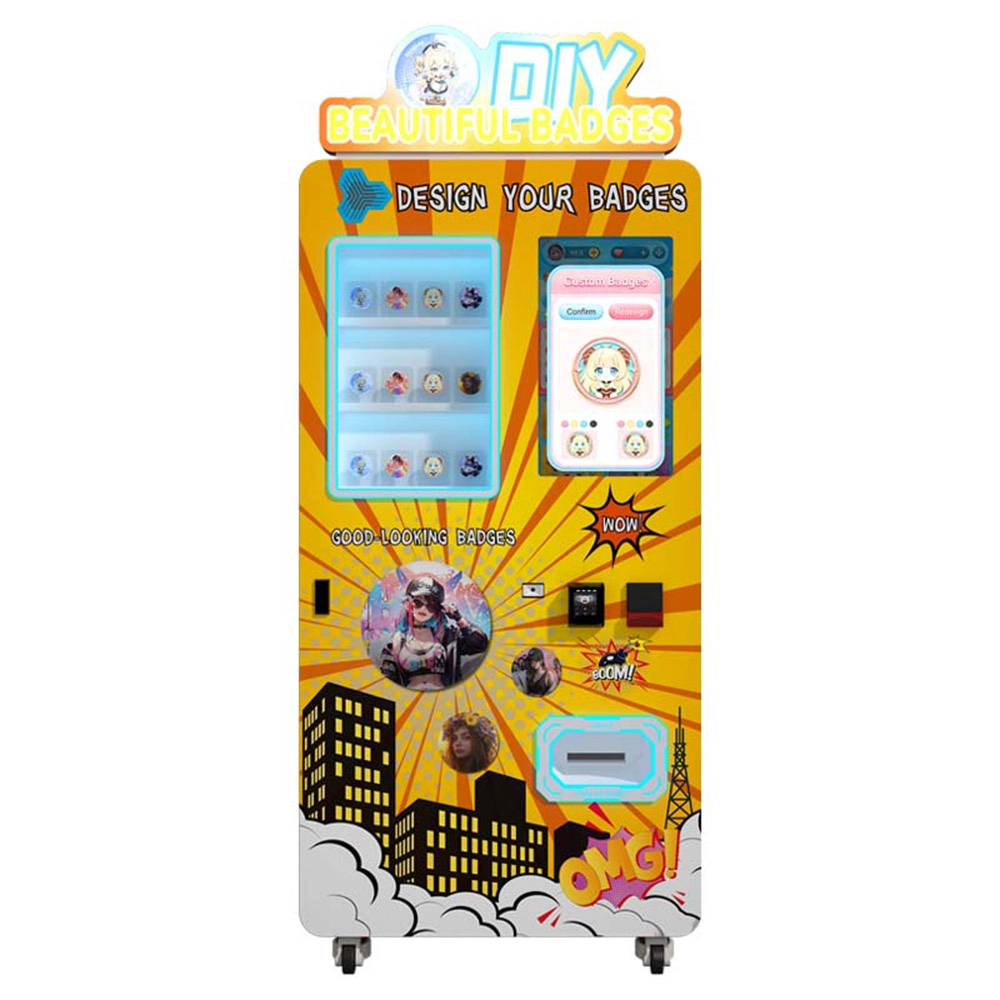
Maximize your ROI in the smart retail market with this innovative custom badge vending machine. Featuring an interactive 27-inch touchscreen, this unmanned DIY badge printing kiosk supports multi-country payments (QR/card) for global deployment in malls and campuses. Boost sales with self-service custom pinback badges and leverage the intelligent cloud backend for remote inventory management and real-time sales tracking. As a leading manufacturer, we provide complete vending machine appearance and UI interface customization services to perfectly fit your branding. Launch your automated, high-margin custom souvenir business with KeMore !
Supplier’s Customization Ability
⦁ Minor customization
⦁ Drawing-based customization
⦁ Sample-based customization
⦁ Full customization
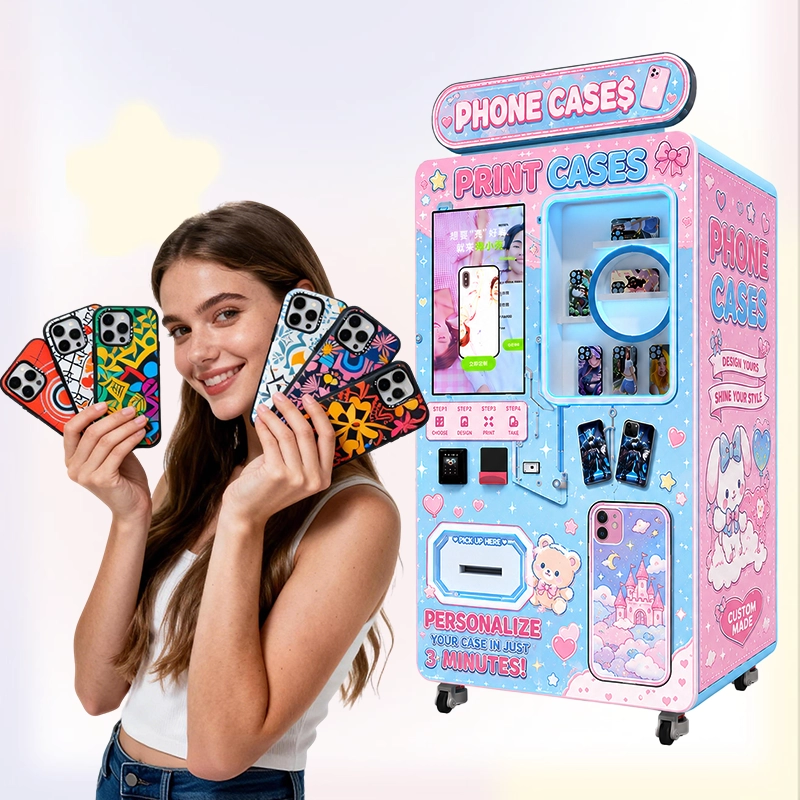
Revolutionize personalized retail using the KeMore Business UV Phone Case Vending Printer. This cutting-edge, self-service 3D cell phone case printing machine empowers customers to upload images and print custom covers in just 3 minutes. Designed for high-traffic environments like campuses and malls, it features a robust metal frame, an interactive 27-inch touchscreen, and an auto-clean function. Powered by an intelligent cloud backend with real-time remote monitoring and flexible multi-payment integration, this turnkey automated business solution maximizes operational efficiency with zero labor requirements.
Supplier’s Customization Ability
⦁ Minor customization
⦁ Drawing-based customization
⦁ Sample-based customization
⦁ Full customization
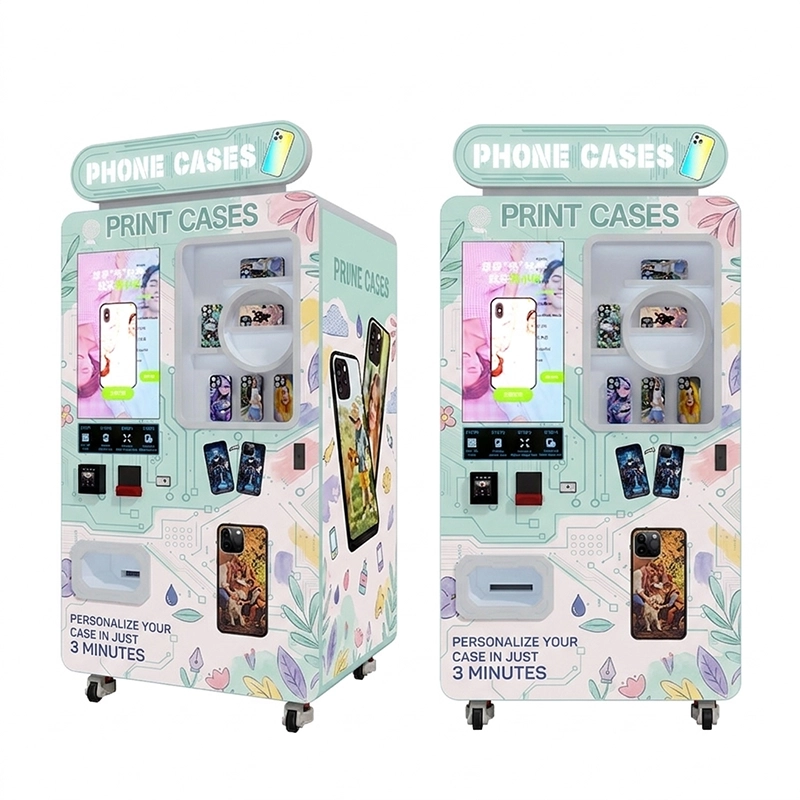
Revolutionize personalized retail using the KeMore Business UV Phone Case Vending Printer. This cutting-edge, self-service 3D cell phone case printing machine empowers customers to upload images and print custom covers in just 3 minutes. Designed for high-traffic environments like campuses and malls, it features a robust metal frame, an interactive 27-inch touchscreen, and an auto-clean function. Powered by an intelligent cloud backend with real-time remote monitoring and flexible multi-payment integration, this turnkey automated business solution maximizes operational efficiency with zero labor requirements.
Supplier’s Customization Ability
⦁ Minor customization
⦁ Drawing-based customization
⦁ Sample-based customization
⦁ Full customization
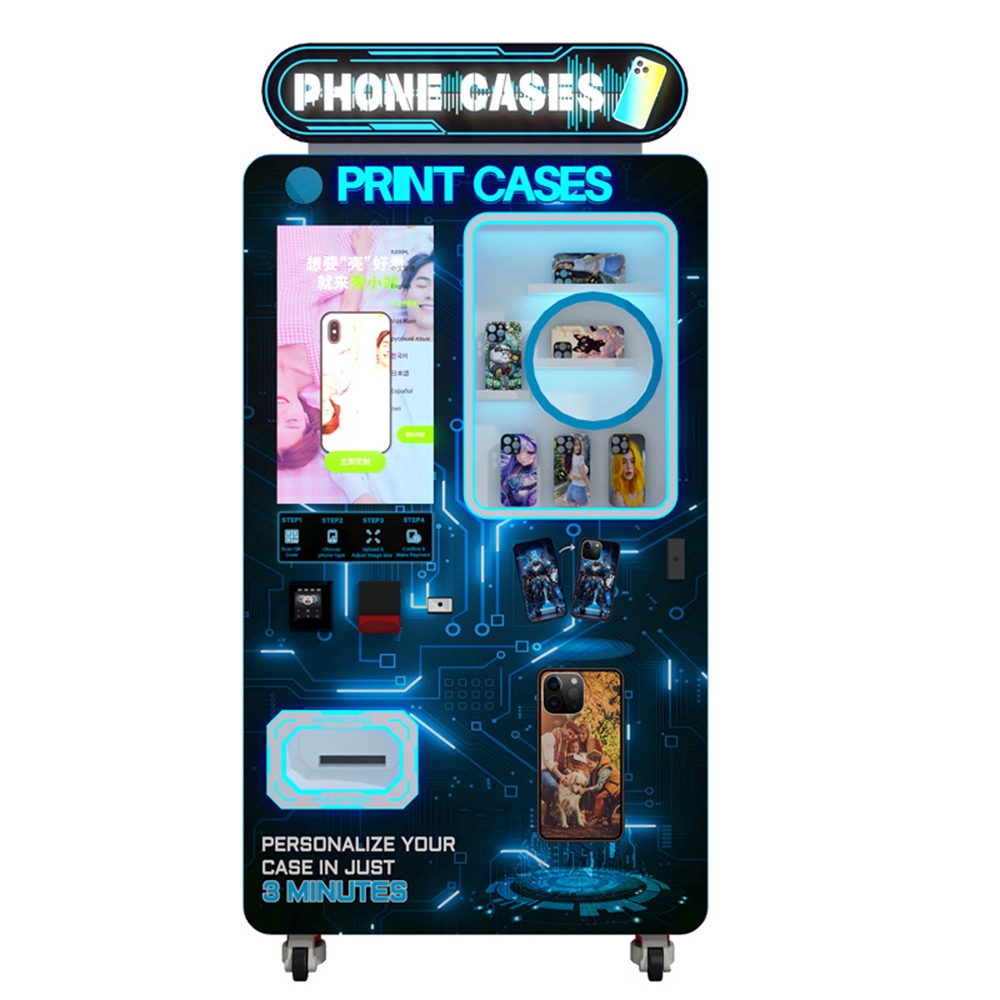
Revolutionize personalized retail using the KeMore Business UV Phone Case Vending Printer. This cutting-edge, self-service 3D cell phone case printing machine empowers customers to upload images and print custom covers in just 3 minutes. Designed for high-traffic environments like campuses and malls, it features a robust metal frame, an interactive 27-inch touchscreen, and an auto-clean function. Powered by an intelligent cloud backend with real-time remote monitoring and flexible multi-payment integration, this turnkey automated business solution maximizes operational efficiency with zero labor requirements.
Supplier’s Customization Ability
⦁ Minor customization
⦁ Drawing-based customization
⦁ Sample-based customization
⦁ Full customization
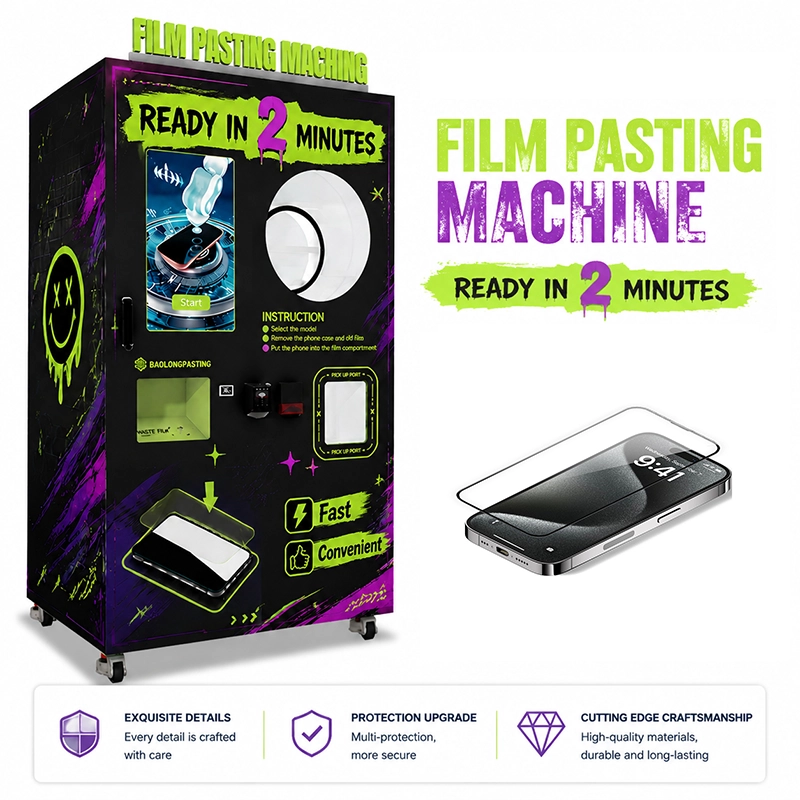
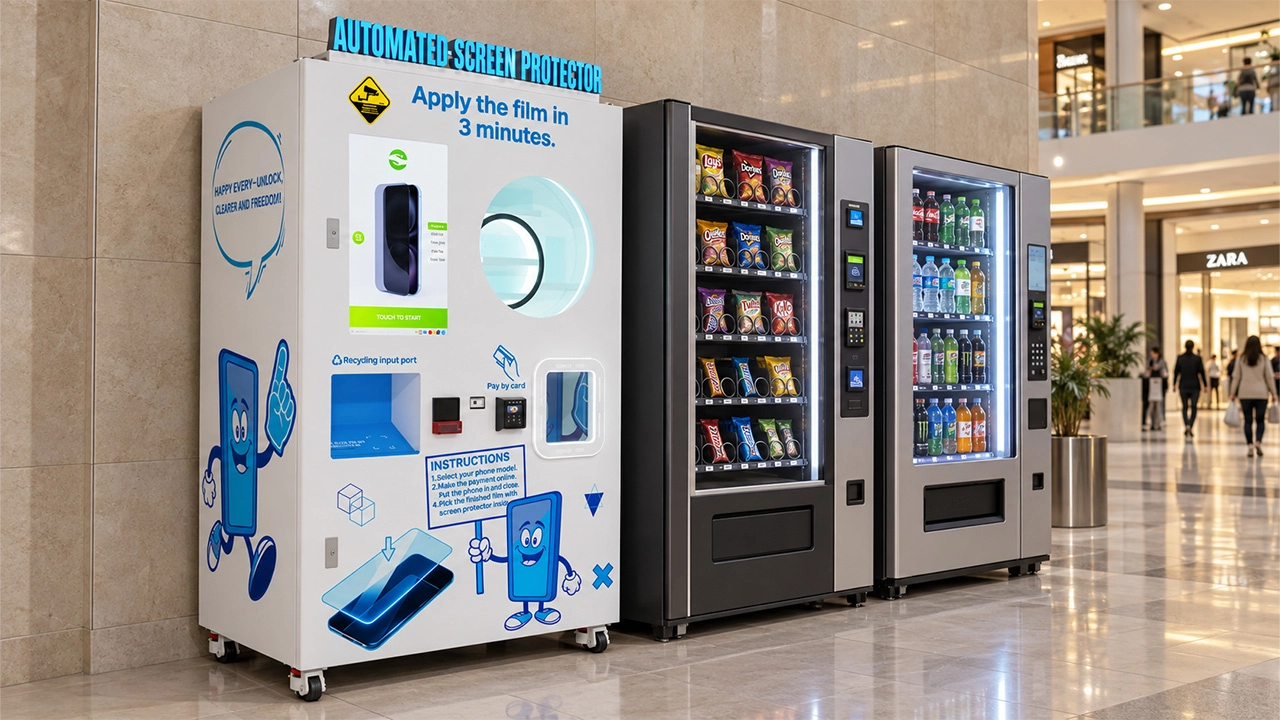
Maximize your retail revenue with the KeMore Automatic Screen Protector Vending Machine. This innovative smart retail kiosk delivers a seamless, unmanned cell phone service by combining precision on-demand film cutting with automated screen protector application and cleaning. Featuring an interactive 27-inch touchscreen, the machine perfectly aligns and applies protectors for various smartphone models in minutes. Equipped with global contactless payment integration and an intelligent cloud backend, operators can track remote inventory monitoring and real-time sales data effortlessly. It is a high-margin, turnkey automated business solution perfect for high-traffic malls, airports, and campuses
Supplier’s Customization Ability
⦁ Minor customization
⦁ Drawing-based customization
⦁ Sample-based customization
⦁ Full customization
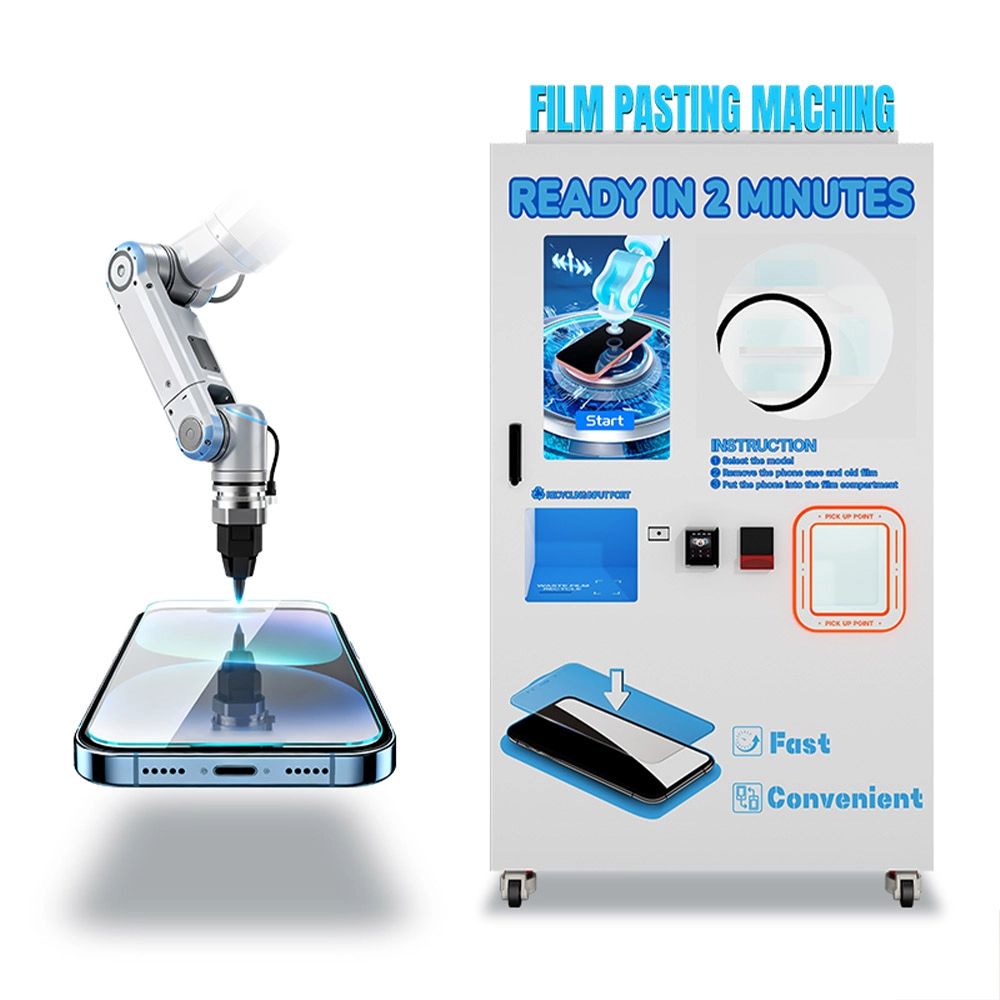
Maximize your retail revenue with the KeMore Automatic Screen Protector Vending Machine. This innovative smart retail kiosk delivers a seamless, unmanned cell phone service by combining precision on-demand film cutting with automated screen protector application and cleaning. Featuring an interactive 27-inch touchscreen, the machine perfectly aligns and applies protectors for various smartphone models in minutes. Equipped with global contactless payment integration and an intelligent cloud backend, operators can track remote inventory monitoring and real-time sales data effortlessly. It is a high-margin, turnkey automated business solution perfect for high-traffic malls, airports, and campuses
Supplier’s Customization Ability
⦁ Minor customization
⦁ Drawing-based customization
⦁ Sample-based customization
⦁ Full customization
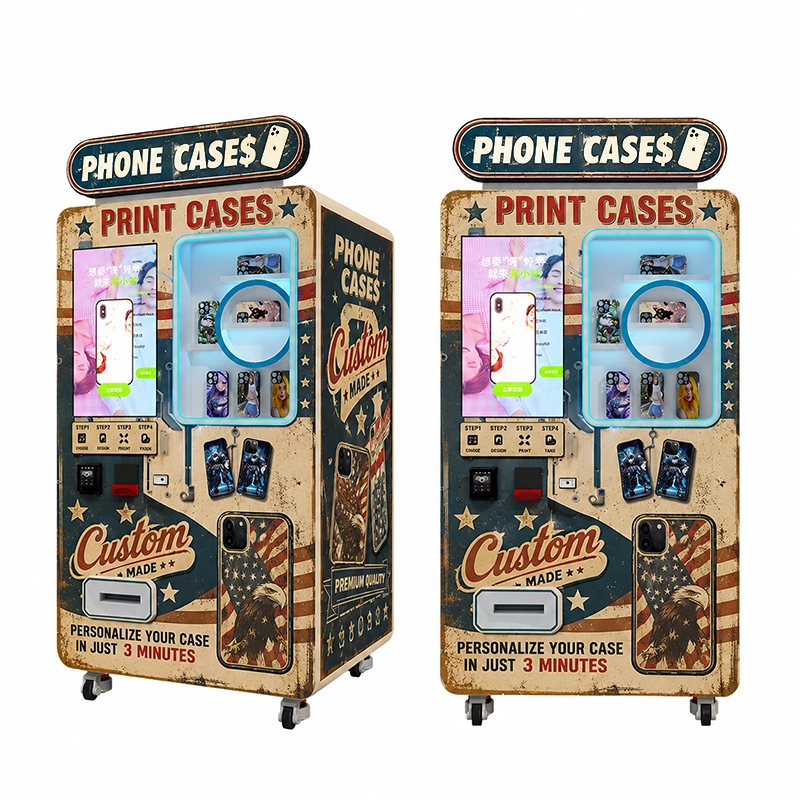
Revolutionize personalized retail using the KeMore Business UV Phone Case Vending Printer. This cutting-edge, self-service 3D cell phone case printing machine empowers customers to upload images and print custom covers in just 3 minutes. Designed for high-traffic environments like campuses and malls, it features a robust metal frame, an interactive 27-inch touchscreen, and an auto-clean function. Powered by an intelligent cloud backend with real-time remote monitoring and flexible multi-payment integration, this turnkey automated business solution maximizes operational efficiency with zero labor requirements.
Supplier’s Customization Ability
⦁ Minor customization
⦁ Drawing-based customization
⦁ Sample-based customization
⦁ Full customization
Let's Talk Business.
Get in Touch with us
If you have any comments or good suggestions, please leave us a message, later our professional staff will contact you as soon as possible.

Guangzhou Kexiaozhan Technology Co., Ltd.
we respond within a few hours
Monday–Friday, 9AM–6PM
+86 189 2573 7135
 No. 28 Xinhuan Village Road, Xinshuikeng Village, Dalong Street, Panyu District, Guangzhou City
Quick Links
Facebook
Instagram
LinkedIn
YouTube
Tik Tok